What are NFT tickets? How NFT ticketing could disrupt entertainment
Tickets are a necessary part of modern social life. They get us into live events like concerts and festivals, prove our identity, and sometimes are the only way we can access the things we want.
Tickets are a necessary part of modern social life. They get us into live events like concerts and festivals, prove our identity, and sometimes are the only way we can access the things we want.
But the current ticketing system is flawed. As the demonstrates, traditional ticketing models are ripe for disruption.
This is where non-fungible tokens (NFTs) come in. With NFTs, event organizers can save time and money, fans can easily buy, send, and use tickets, and everyone benefits from increased security and transparency.
In this article, we explore what NFT tickets are and how they can be used to solve some of the challenges faced by traditional ticketing models.
What are NFT tickets?
NFT tickets are digital tickets that are stored and managed on a blockchain, which allows for NFT ticket ownership and provenance to be verified securely. This aids in mitigating ticket counterfeiting, double-booking, and other issues that plague traditional ticketing models.
A blockchain is a distributed ledger used to validate and record information digitally.
In addition to providing an immutable record of ownership, NFT tickets can also be programmed with token-gating technology, which provides event organizers with additional security and fraud protection.
Token gating is a process by which access to a particular service or resource on the internet is restricted by using a token. In order to gain entry, the user must possess and present the appropriate token. In the case of NFT tickets, this token is stored on the blockchain.
Token-gating blockchain technology allows event organizers to ensure that only valid ticket holders can access their physical and virtual events. This can help avoid counterfeiting, scalping, and other fraudulent activities.
How does NFT ticketing work?
NFT ticketing works the same way as traditional ticketing, except they are stored and managed on a blockchain. When a user purchases an NFT ticket, they receive a digital asset (NFT) that proves their ownership.
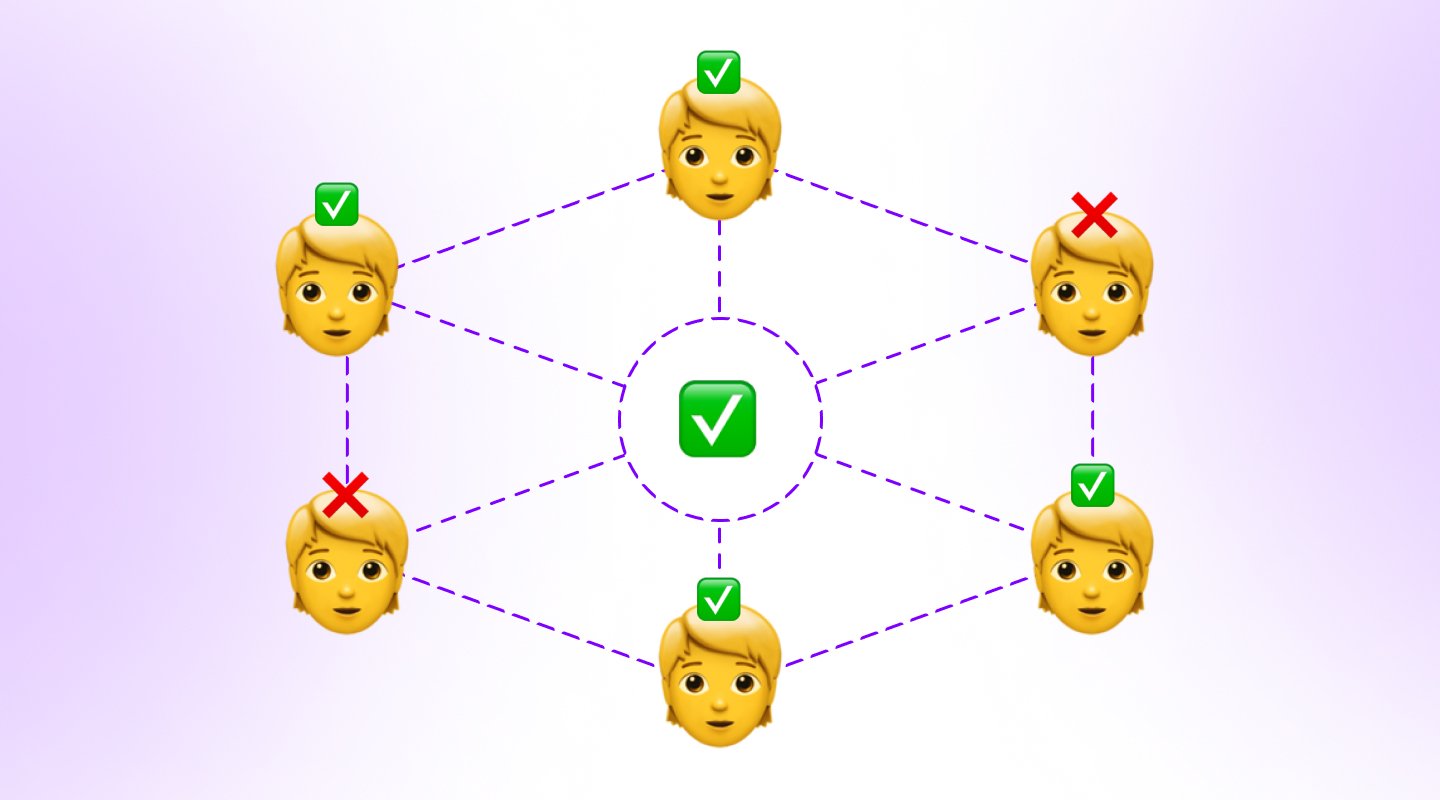
When attendees arrive at the venue, they can present their digital tickets (NFTs) to gain entry into the event. This asset is then compared to a list of validated digital assets stored on the blockchain. If it matches, then ticket holders are granted event entry.
This process could be more efficient than relying on physical or paperless tickets, because it uses smart contracts and cryptographic methods.
Smart contracts are coded agreements stored on a blockchain that will automatically execute out a set of instructions if the proper conditions are met. In the case of NFT ticketing, the smart contract will be executed if the NFT is a match for the event tickets in question.
NFT ticketing could also be more cost-effective since the overhead costs of processing tickets are drastically reduced. Things like blockchain transaction batching, roll-ups, and Layer-2 solutions can be used to save money on ticket printing, ticket management, and ticket sales.
NFT tickets are verified using cryptographic methods.
To issue an NFT ticket, enterprises must first create an NFT template for their tickets with the required data fields and ticketing logic. This is then uploaded to a blockchain, where it can be securely stored and managed.
Most NFT tickets today follow the ERC-1155 standard: a multi-token standard on the Ethereum blockchain. This protocol allows for the creation of a single asset that contains multiple tokens, making it the perfect option for NFT ticketing.
How can NFTs solve traditional ticketing industry challenges?
The traditional ticketing industry is riddled with challenges that NFT tickets can solve.
Post-event utility
Traditional tickets are usually rendered worthless after an event. NFT tickets, however, can be programmed to offer post-event utilities such as discounts or exclusive offers for the next event. This helps event organizers increase customer loyalty and engagement.
In some cases, these tickets can also act as collectibles, making them valuable even after the event is over. Just as collectors may store physical tickets in an album, NFT collectors can store their digital collectibles from an NFT event in a digital wallet.
Controlled access
NFT tickets contain a distinct digital signature, making them virtually impossible to counterfeit. This helps organizers bar unauthorized access, maintain their events' integrity, and maximize ticket sales while minimizing ticket fraud.
In addition, token gating blockchain technology can be used to further restrict entry to a particular event by validating a select list of NFT holders and providing them with exclusive access.
New revenue streams
NFT tickets provide event organizers with various new ways to monetize their events. This includes selling virtual assets such as limited-edition merchandise or special access passes, which can help generate revenue beyond ticket sales.
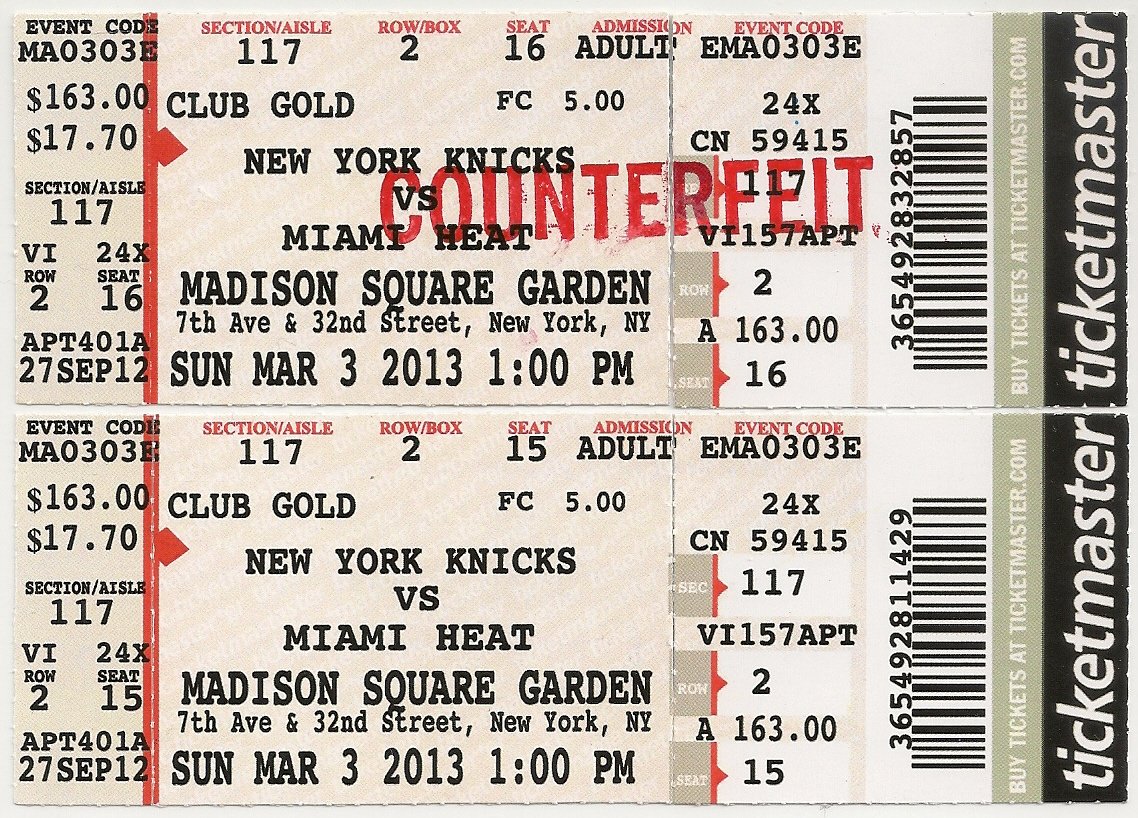
Unlike paper tickets, NFT tickets cannot be forged — Image source
What's more is that there is scope for perpetual passive income for both creators and enterprises through royalties. Organizers simply need to set up a smart contract that charges a fee to buyers whenever they resell their NFT, in order to receive recurring income each time the NFT is purchased by a new buyer. In this sense, traditional tickets become smart tickets using blockchain technology.
Creator empowerment
Small businesses and creators are often at a disadvantage when it comes to ticketing solutions. Traditional ticketing systems can have high overhead costs and require advanced setup, making them costly for small producers.
NFT tickets, on the other hand, offer a low-cost alternative that can be used by anyone via access to the blockchain. This allows small creators to easily and affordably access a ticketing system that offers full control and greater security, whereas previously they may have been priced out of the traditional model.
Forgery prevention
NFT tickets cannot be duplicated, making them virtually impossible to forge. This means organizers can worry less about counterfeit tickets and fraud.
Since the ticketing process can be automated using smart contracts, this can also reduce errors and omissions, so long as the smart contract code is bug-free and effective.
More customer data
The traditional ticketing system limits the amount of data collected from customers. It can be difficult to see who bought a ticket, whoa actually attended, when they entered the venue, what other live events they attended, etc.
NFT tickets can be programmed to capture customer data such as age, location, and buying behavior. This allows organizers to gain a better insight into their audience and use this information for targeted marketing campaigns in the future.
For instance, event organizers can view other NFTs held in digital wallets by event attendees and airdrop exclusive collectibles or NFT discount coupons tailored to their interests.
Who is using NFT ticketing?
NFT ticketing has been gaining traction in the events industry, with various organizations embracing this new blockchain technology. Below is a list of popular projects and brands making their mark with NFT tickets.
VeeCon
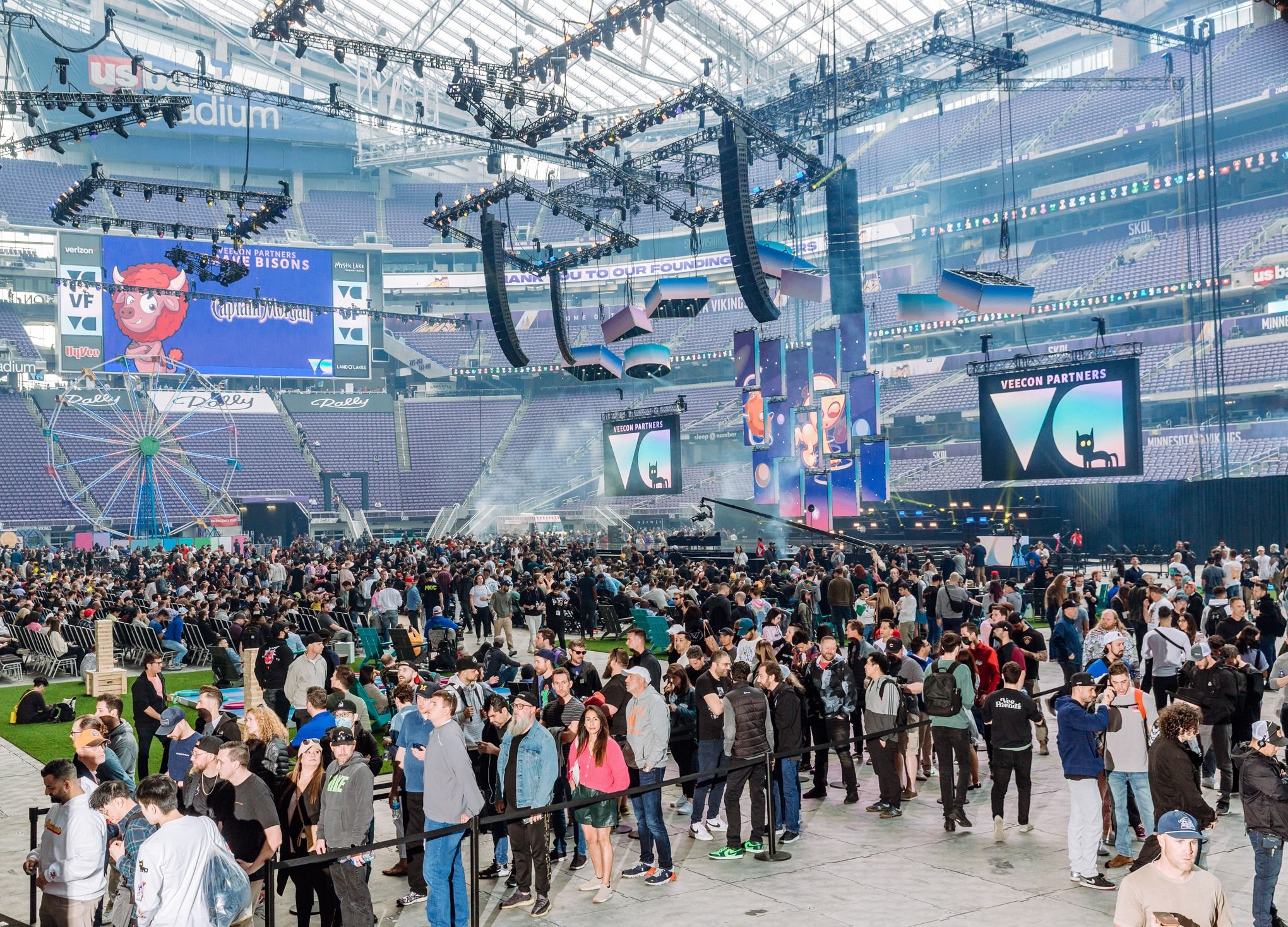
VeeCon is a three-year conference and the brainchild of Gary Vaynerchuk, a serial entrepreneur, personal brand enthusiast, and creator of VeeFriends.
VeeCon, Gary Vaynerchuk's annual conference, is a great example of how NFTs can be used to admit event attendees. — Image source
VeeFriends is an NFT project that provides real-world benefits for holders. The only way to attend VeeCon is to hold an eligible VeeFriends NFT. Holders of the NFT are airdropped tickets to VeeCon, which are verified at the venue.
NBA
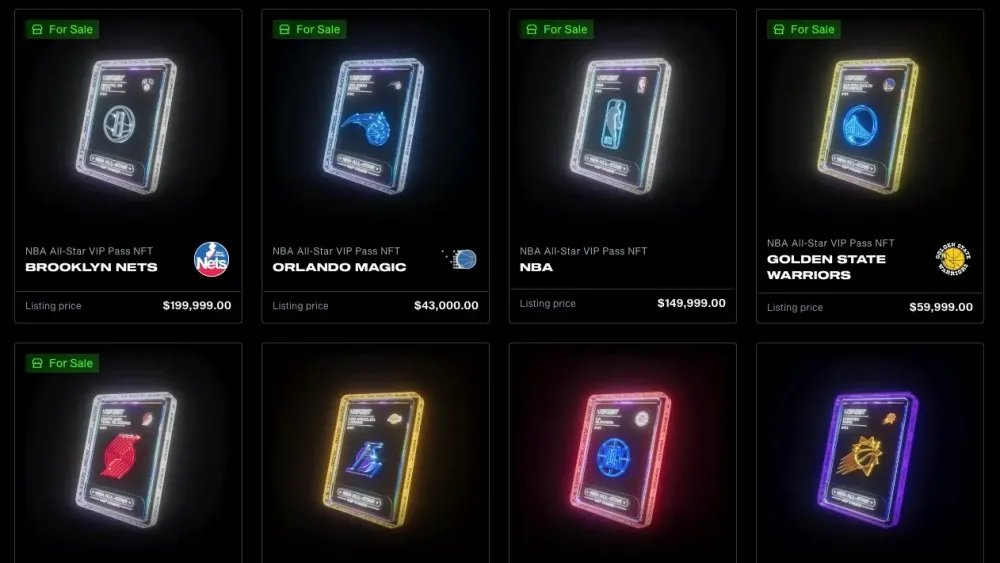
North America's largest professional basketball league, the NBA, is a pioneering example of a major sports league that has embraced NFTs. In June 2020, the NBA launched its “NBA Top Shot” project in collaboration with the NBA Players Association and Dapper Labs.
In 2022, the project created All-Star VIP Pass, an NFT ticket that provides holders access to NBA All Star games and VIP perks for up to five years from 2023 to 2027.
Sports Illustrated
Sports Illustrated (SI), the popular American sports magazine, entered the NFT ticket game in 2023 by launching its new NFT ticketing platform, Box Office. The service is built on top of SI's existing ticketing marketplace, SI Tickets, and is powered by Ethereum-based Layer-2 chain Polygon, as well as Ethereum software firm Consensys.
Sports Illustrated and SI TIX launched Box Office, an NFT ticketing platform for live events — Image source
Box Office has the potential to become the world's first complete NFT ticketing service, by providing an engaging and immersive experience for fans, with financial benefits for event planners.
Using NFT technology, tickets to any SI event will become a "Super Ticket" that will allow collectors to engage with events long after they are over, via highlights, game-specific collectibles, and additional benefits. The service also has perks for vendors, like royalties that allow sellers to earn a percentage on all future NFT sales.
Create NFT tickets with HyperMint
Did you know that you can use HyperMint to easily program, mint, and distribute NFT tickets at scale? The platform also provides a suite of built-in tools to manage NFTs and store data securely on the blockchain.
If you're a brand, enterprise, or agency that wants to deploy NFT tickets at scale, contact us to learn more about how HyperMint can help your business.