







Back to all articles
Why does Bitcoin have value? What makes BTC valuable
The rise of Bitcoin and other cryptocurrencies has sparked a global debate about the nature of value.
By Corey Barchat
Published on Aug 30, 2024
Last modified on Apr 28, 2025
The rise of Bitcoin and other cryptocurrencies has sparked a global debate about the nature of value.
By Corey Barchat
Published on Aug 30, 2024
Last modified on Apr 28, 2025
The rise of Bitcoin and other cryptocurrencies has sparked a global debate about the nature of value.
At first glance, the value proposition of cryptocurrency may appear elusive. Cryptocurrencies aren’t tangible, nor do they have the backing of many banks and governments.
So what gives cryptocurrency like Bitcoin their value? Is it a purely speculative investment, or are there intrinsic qualities that make Bitcoin valuable?
In this article, we will dive deep into Bitcoin (BTC) and its characteristics, the fundamentals of value, and the various factors contributing to BTC's perceived worth.
Bitcoin, the first cryptocurrency to gain widespread attention, was born out of the financial crisis of 2008, a period marked by widespread distrust in traditional financial institutions.
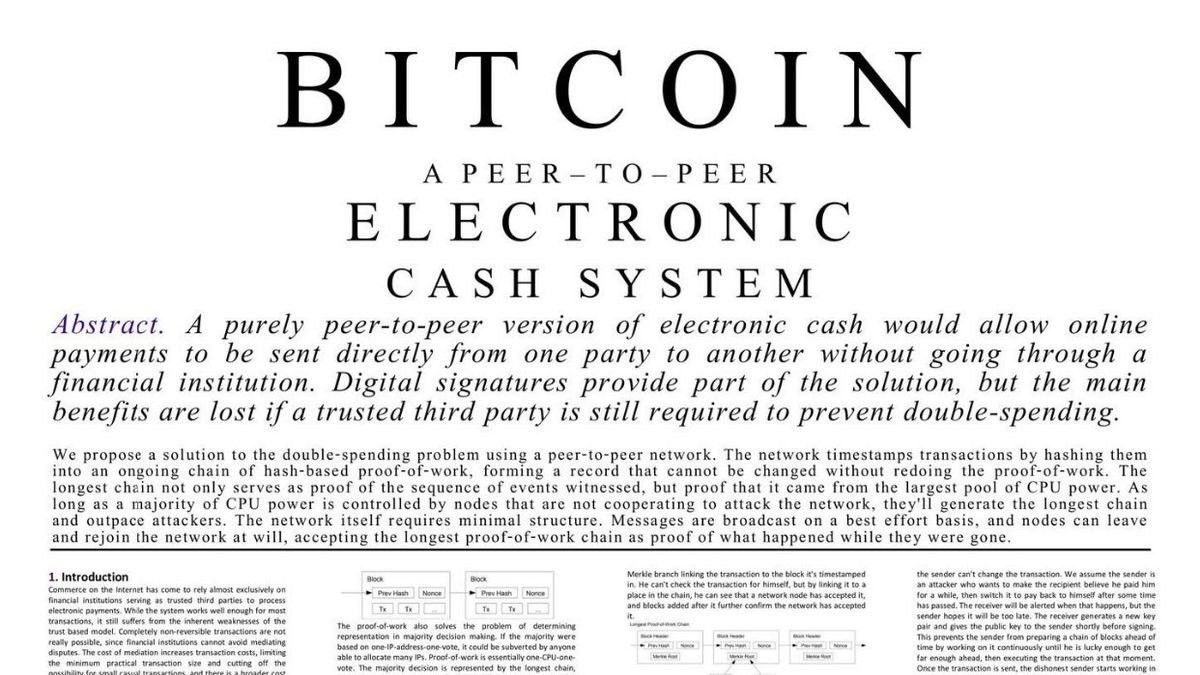
In October of that year, the pseudonymous figure Satoshi Nakamoto published the Bitcoin whitepaper, outlining a vision for a decentralized digital currency that would operate independently of any central authority. Shortly thereafter, on January 3, 2009, the first Bitcoin block, known as the "genesis block" was created, and the Bitcoin blockchain was born.
Bitcoin's early years were characterized by slow adoption and minimal value. Initially, it was mainly used by a small community of cryptography enthusiasts, but as awareness grew, so did the number of Bitcoin's use cases. The first real-world application of Bitcoin occurred in 2010, when Laszlo Hanyecz paid 10,000 BTC for two pizzas, a transaction that today would be worth hundreds of millions of dollars.
Over the years, Bitcoin has evolved from a niche technology used by tech enthusiasts to a widely recognized financial asset. During this time, the price of Bitcoin went from trading at just a few cents, to a recent all-time high upwards of $73,000. Its growth and adoption have also led to the creation of thousands of new crypto tokens, collectively known as "altcoins," each with its own value proposition and use case.
There are several key features that distinguish BTC from traditional currencies and other digital assets:
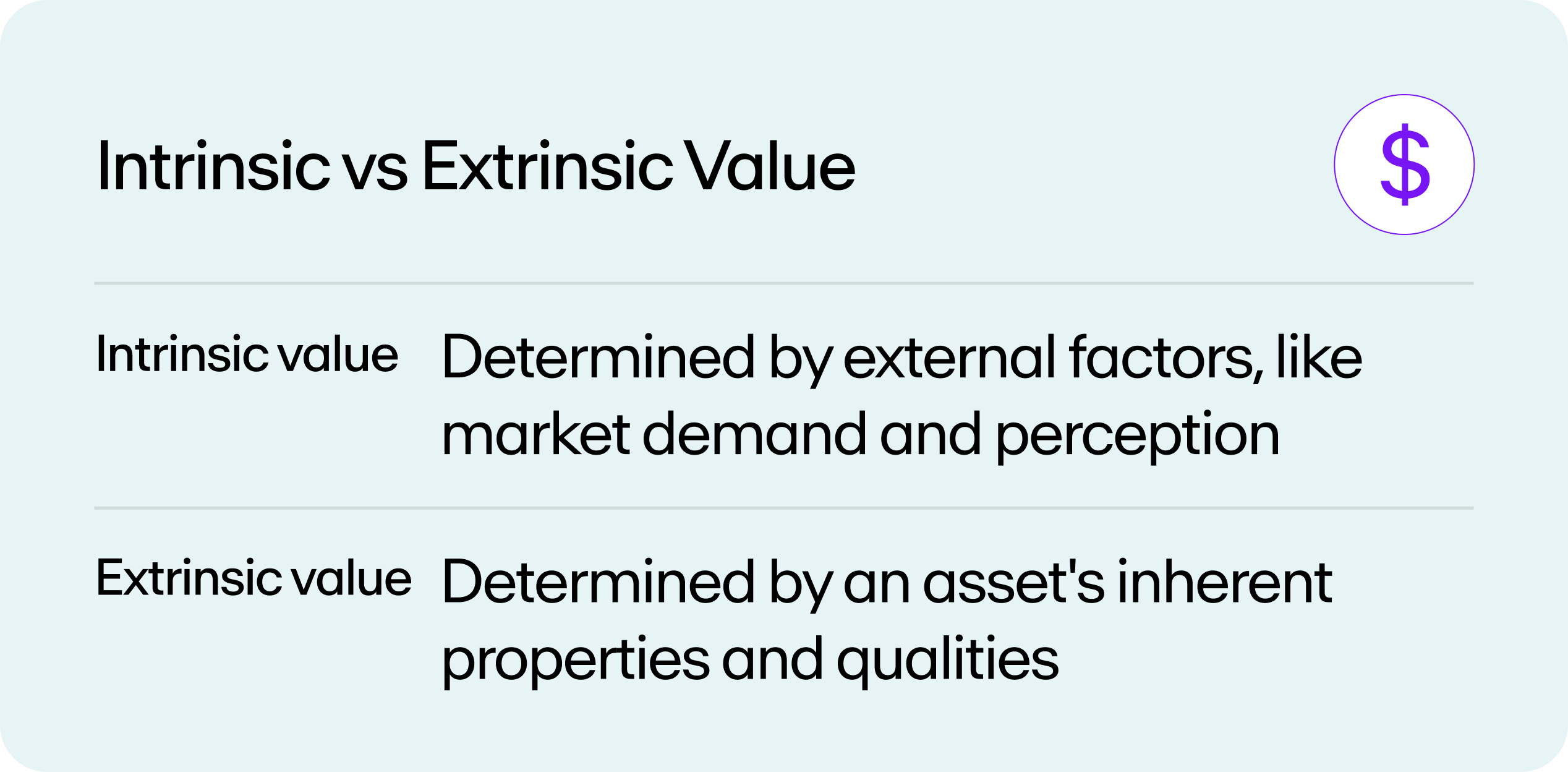
The concept of value is complex and multifaceted. It is generally understood as the worth or desirability of something, often determined by factors like its utility, rarity, and demand.
But what specifically gives something value? The answer lies in both intrinsic and extrinsic factors.
Throughout history, the concept of money has evolved significantly:
Scarcity is a fundamental driver of value. The basic economic principle of supply and demand states that when something is scarce and in high demand, its value increases. This principle applies to a wide range of assets, from commodities to currency.
The concept of scarcity is closely tied to the value of an asset. When an asset has a limited supply, like gold or Bitcoin, it can create a sense of rarity and exclusivity, which can drive up its value. Conversely, if an asset is abundant and easy to produce, its value tends to be lower.
Bitcoin is often compared to gold due to its limited supply and perceived store of value. Like gold, Bitcoin's supply is finite—only 21 million bitcoins will ever be in existence—contributing to its value as a digital asset.
On the other hand, fiat currencies like the US dollar have no supply cap, which allows central banks to print more money, potentially leading to inflation and a decrease in purchasing power.
We can use a table to illustrate the main differences between these types of money:
Aspect | Bitcoin | Gold | Fiat Currency |
Physical Form | Digital (exists only electronically) | Physical (tangible, mined from earth) | Physical and digital (banknotes, coins, and balances) |
Supply | Capped at 21 million coins |
Bitcoin's value can be attributed to trust in its decentralized network, where every transaction is secure, transparent, and verified by a distributed global consensus. Its limited supply of 21 million coins, as well as its utility as a digital currency, further enhance Bitcoin's appeal.
As Bitcoin's history has shown, the token possesses unique value that differentiate it from traditional forms of money:
Bitcoin's supply cap of 21 million coins is hardcoded into its protocol. This means that once all 21 million Bitcoins have been mined, no more can be created. This limited supply feature is in stark contrast to fiat currency, which can be printed at will by central banks. Unlike fiat, the 21 million token limit creates a sense of digital scarcity, similar to precious metals like gold.
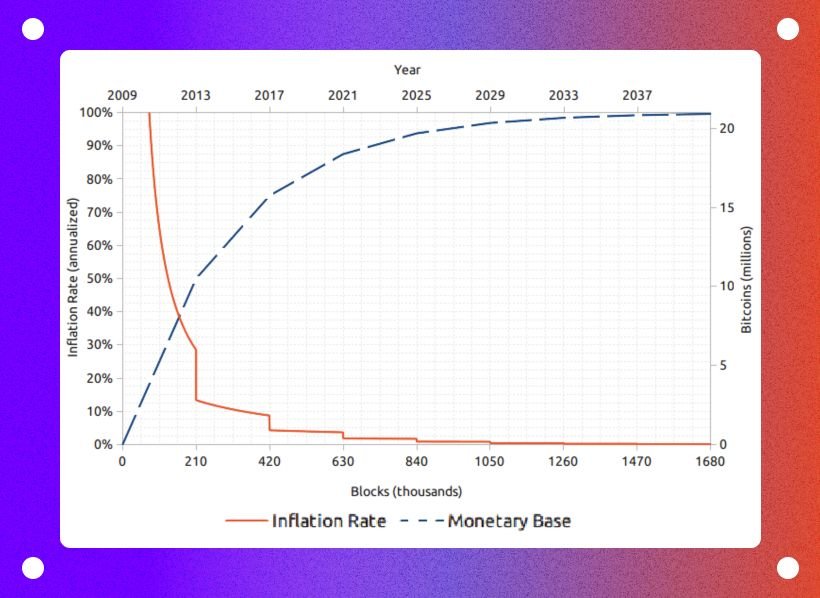
Approximately every four years, Bitcoin undergoes a process known as "halving" where the reward for mining new Bitcoin blocks is cut in half. These halving events also reduce the rate at which new Bitcoins are introduced into circulation, further increasing Bitcoin's scarce nature and status as a deflationary asset.
While traditional financial systems rely on central authorities, such as banks and governments, Bitcoin operates on a decentralized network of nodes that validate and record transactions on the blockchain. One effect of this decentralized model is that it eliminates the need for intermediaries, aiding to reduce the risk of fraud and manipulation.
Bitcoin's security is maintained through a consensus mechanism called Proof-of-Work (PoW). In PoW, mining nodes compete to solve complex cryptographic puzzles. The first miner to solve the puzzle gets to add a new block to the blockchain and is rewarded with newly minted bitcoins.
Although the requirement of significant computing power has led to legitimate environmental concerns, it has also made it extremely difficult for any single entity to control the network through attempts like a 51% attack.
Bitcoin can be used for a wide range of transaction types, from purchasing goods and services to transferring funds across borders to groundbreaking non-fungible tokens (NFTs). Its global nature and ease of use have helped to establish it as a viable option for both individuals and businesses seeking an alternative to traditional payment systems.
Bitcoin is sometimes referred to as "digital cash" because it enables peer-to-peer transactions without the need for intermediaries. Additionally, some view Bitcoin as a store of value—a way to preserve wealth over time—due to its limited supply and deflationary nature. Although this status is highly contentious, Bitcoin's versatility has enhanced its appeal and contributed to its growth and adoption.
Market sentiment plays a significant role in Bitcoin's value. Positive sentiment can be affected by factors like increased institutional adoption or favorable regulatory developments. On the other hand, negative news like security failures, widespread scams, and regulatory crackdowns can lead to a drop in demand and a decrease in value.
Over the years, Bitcoin has seen growing adoption, both among individual users and institutional investors. Major companies like Tesla and PayPal have accepted Bitcoin as a form of payment, while institutional investors have increasingly added Bitcoin to their portfolios.
These factors, in addition to being strong indicators of market confidence in Bitcoin, have also helped lead to breakthroughs such as the Securities and Exchange Commission (SEC) approval of Spot Bitcoin ETFs—publicly traded funds that allow users to gain exposure to Bitcoin's price without owning BTC themselves.
The Bitcoin network is known for its robustness and resilience. Despite numerous attempts to disrupt the network, it has remained secure and operational for over a decade. Its ecosystem is also continuously evolving, with innovations like the Lightning Network aimed at improving scalability and transaction speed, while breakthroughs such as Bitcoin Ordinals have helped to expand its utility.
Psychological and social factors play a pivotal role in shaping Bitcoin's value, influencing how it's perceived, trusted, and adopted by individuals and communities around the world.
Bitcoin's value is, in part, derived from the collective agreement among its users and investors that it is valuable. This social consensus is similar to the trust placed in fiat currencies, where value is largely based on belief in the system.
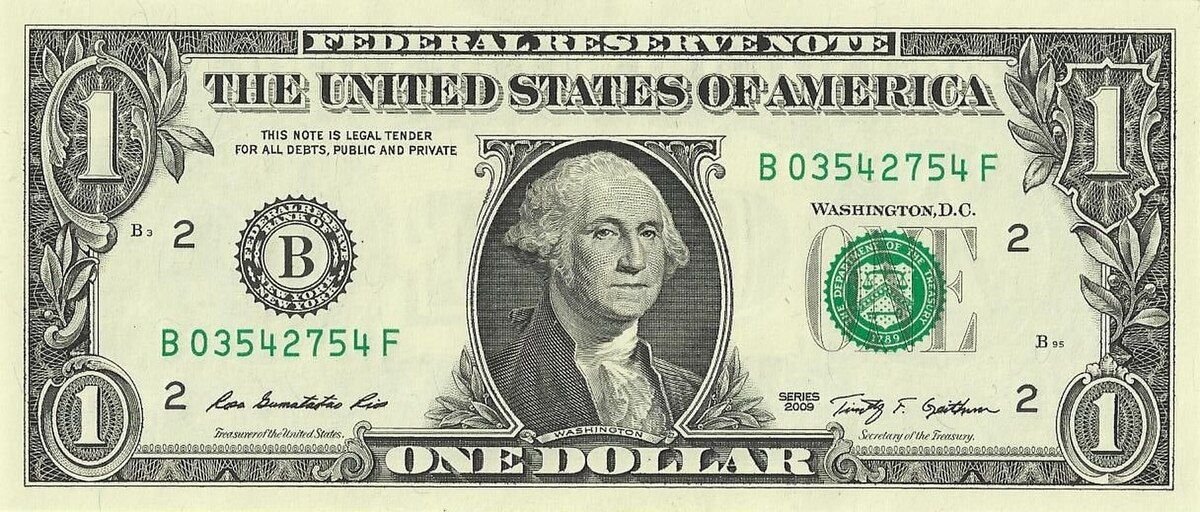
Trust in the US Dollar, for example, stems from the credibility of the United States government, its economic stability, and the widespread acceptance of USD for global trade. Trust in cryptocurrency, on the other hand, is based on its underlying technology: the blockchain.
Belief in Bitcoin's future potential is another powerful driver of its perceived valuation. Different investors may view Bitcoin as a hedge against inflation, store of value, or legitimate global currency. Although some may differ about which category Bitcoin falls under, belief in its long-term potential can lead to increasing demand and, consequently, the BTC price.
As Bitcoin's user base grows, so does its utility and purported value. A larger network means more liquidity, more use cases, and potentially greater market confidence. A growing user base can help reinforce the value of Bitcoin as a medium of exchange and potential store of value.
Adoption is another critical factor in Bitcoin's value. As more businesses, institutions, and individuals adopt Bitcoin, its demand increases, leading to a potential rise in price. This adoption can create a positive feedback loop, where increased value leads to more adoption, driving up the price further.
However, as we have seen throughout Bitcoin's price history, the cryptocurrency does not only go up. For as much as BTC has seen spikes in price over the years, it has also seen its share of price volatility, bear markets, and loss of value for holders.
Bitcoin is known for its price volatility, driven largely by market speculation. Users often invest in Bitcoin with the expectation of future price increases, leading to sharp price swings (that also affect other cryptocurrency tokens). While this volatility can be seen as a risk, it has also historically attracted traders looking to capitalize on price movements.
This speculative nature of Bitcoin's value creates a divide between long-term and short-term investors. Long-term investors ("HODLers") believe more in Bitcoin's future potential and are willing to hold through volatile markets. Short-term traders, on the other hand, may focus on quick gains, contributing to price fluctuations. The interplay between these differing perspectives and behaviors shapes Bitcoin's market behavior and value over time.
Despite its growing popularity, Bitcoin faces significant criticisms and debates, particularly around its volatility, environmental cost, and price volatility.
Critics argue that Bitcoin's extreme price volatility undermines its utility. For instance, BTC's rapid price swings can make it difficult for businesses and individuals to use bitcoins for everyday transactions.
Proponents of Bitcoin, however, argue that its volatility is a natural part of its maturation process as a bonafide currency, and that Bitcoin's price may stabilize as the market grows and adoption increases. In the meantime, however, some view its volatile nature as an opportunity for profit, attracting trading and investment based on price speculation.
Bitcoin mining, which relies on energy-intensive Proof-of-Work (PoW), has been heavily criticized for its environmental impact. The high energy consumption required for mining—electrical output comparable to a country the size of Chile—has raised concerns about the sustainability of BTC as a medium of exchange.
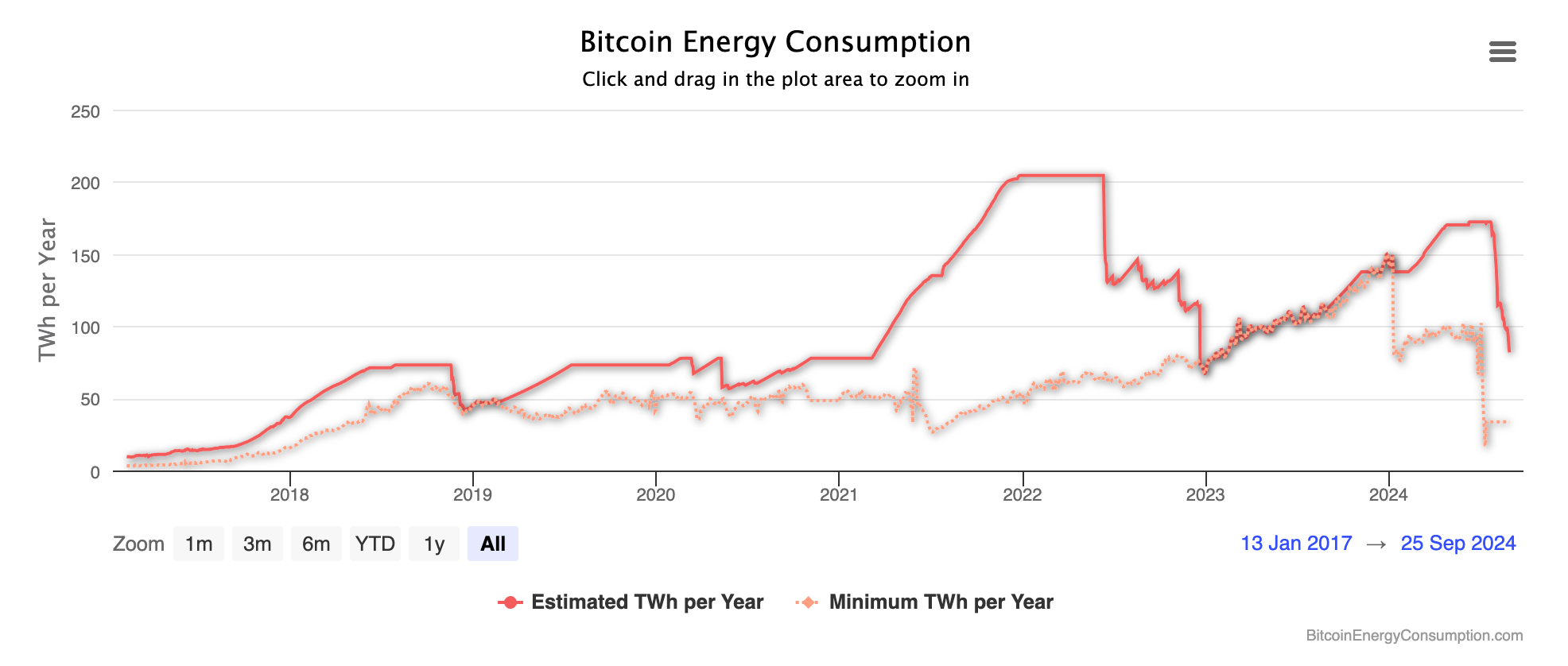
Bitcoin could stand to look at the success of former Proof-of-Work network Ethereum, which has transitioned to the more efficient Proof-of-Stake (PoS) model. The result of this "Merge" has been a reduction in its carbon footprint by up to 99.99%. While Bitcoin is unlikely to switch consensus mechanisms any time soon, improvements in efficiency to mining hardware could help to mitigate environmental concerns over time.
The cryptocurrency market is highly competitive, with many altcoins offering unique features and use cases. However, despite the emergence of popular altcoins like Ethereum, Solana, and BNB, Bitcoin has retained its status as the most widely-recognized cryptocurrency, and the most valuable by market capitalization.
One common indicator of the overall crypto market health is Bitcoin dominance, which measures the ratio between Bitcoin's market cap vs the sum of all other cryptocurrency tokens. A higher dominance ratio suggests greater BTC stability, while lower dominance can signal growing interest in these other tokens.
The debate over the value of altcoins versus Bitcoin is ongoing, with some arguing that certain coins may eventually surpass Bitcoin altogether. For instance, while some view Ethereum as its own class among altcoins, its valuation share still pales in comparison to Bitcoins; at its peak, Ethereum's market cap was still only worth around 1/3 that of Bitcoin's all-time high.
Although many more competing tokens are sure to be released in the years ahead, Bitcoin's value proposition remains the original, most secure, and most widely-adopted cryptocurrency.
If you're interested in exploring Bitcoin further, there are many ways to get involved. You can engage with the international BTC community, continue to learn more about blockchain technology, or even acquire some Bitcoin to experience its value firsthand.
MoonPay makes it easy to buy Bitcoin using a credit/debit card, Apple Pay, bank transfer, PayPal, and more preferred payment methods. Just enter the amount of BTC you wish to purchase on the MoonPay widget or in your favorite non-custodial wallet.
You can also fund your wallet with euros, pounds, or dollars and use your MoonPay Balance to purchase crypto like Bitcoin. With MoonPay Balance, you'll enjoy faster transactions, lower fees, and higher approval rates.
When you decide it's time to cash out to fiat, you can easily sell Bitcoin via MoonPay's simple off-ramp. Simply enter the amount of BTC you'd like to sell, and choose where you want to receive your funds.
Limited by nature, but more can be mined |
Unlimited; central banks can print more |
Decentralization | Fully decentralized | Decentralized (no single issuer) | Centralized (controlled by governments and central banks) |
Intrinsic Value | None (value is based on consensus) | High (due to its physical properties) | None (value based on government backing) |
Utility | Primarily as digital currency and speculative investment | Jewelry, electronics, investment, industrial uses | Medium of exchange, store of value, unit of account |
Scarcity | Strictly limited | Naturally scarce, but more can be mined | Not scarce; can be produced in unlimited amounts |
Historical Use | New (since 2009) | Ancient (used for thousands of years) | Modern (widespread use since the 20th century) |
Volatility | High | Low to moderate | Generally low, subject to inflation and deflation |
Regulation | Minimal, varies by country | Minimal, generally recognized globally | Heavily regulated by governments and central banks |
Divisibility | Highly divisible (up to 0.00000001 BTC) | Moderately divisible (measured in grams) | Divisible (down to smallest coin denomination) |
Storage & Transfer | Digital wallets, requires internet access | Physical storage (vaults, safes) | Bank accounts, physical wallets, digital payments |