Just as with traditional financial assets, there are multiple ways to store your crypto. How you choose to store your funds depends on your investor profile (the type of crypto investor you are) and what your risk appetite is.
Just as with traditional financial assets, there are multiple ways to store your crypto. How you choose to store your funds depends on your investor profile (the type of crypto investor you are) and what your risk appetite is.
Can Quantum Computers Break Bitcoin? What BIP-360 Changes
Not today, but the clock has started. What quantum computers can and can't do to Bitcoin, which coins are exposed, what BIP-360 and BIP-361 propose, and what to do with your addresses.
What Are Tokenized Stocks? What You Actually Own When You Buy Apple on a Blockchain
Tokenized stocks track real shares on a blockchain, but the token is rarely the share. How the four structures differ on dividends, voting, bankruptcy, and redemption, and who can buy them in 2026.
Why Stablecoins Are Becoming the Internet's Payment Rails
Stablecoins settle in minutes, run around the clock, and cross borders for cents. What payment rails are, why stablecoins qualify, and the honest limits.
Agentic Payments & How AI Agents Actually Pay for Things
Agentic payments let an AI agent buy things without holding your money or seeing your card number. How they work, what agents can buy, and how MoonPay's PayBox does it.
For most of crypto's history, the price of admission was a ritual: write down 12 words, in order, on something that can't catch fire or get wet, and guard them for the rest of your life. Get it right and you're your own bank. Get it wrong o
In this article, we will explore the two main wallet types you can use to store your cryptocurrencies: custodial and non-custodial, and offer some guidance on how to choose the right one for you.
What is a custodial crypto wallet?
With custodial wallets, your funds are in the possession of a third party. You can think of this like a bank: when you deposit and store your money, the bank is securing it for you so that you don’t have to take on the risk of storing it yourself. In this case, you will not have access to the private keys, as you are delegating custody of your funds to the custodian.
Outsource the burden of storing your crypto to a third party
No need to worry about losing your private keys
Beginner-friendly user interface
Custodial wallet risks
Hacks targeting third party storage can result in loss of some or all of your funds
Third parties may prevent you from accessing your funds if they go under
Crypto exchange collapse covered by Bitcoin.com — Image source
What is a non-custodial crypto wallet?
If you prefer to have total control over your funds, then non-custodial wallets may be the choice for you.
Going back to our bank analogy, with a non-custodial wallet you are acting as your own bank. No one else has access to your funds, which you keep under your own personal lock and key.
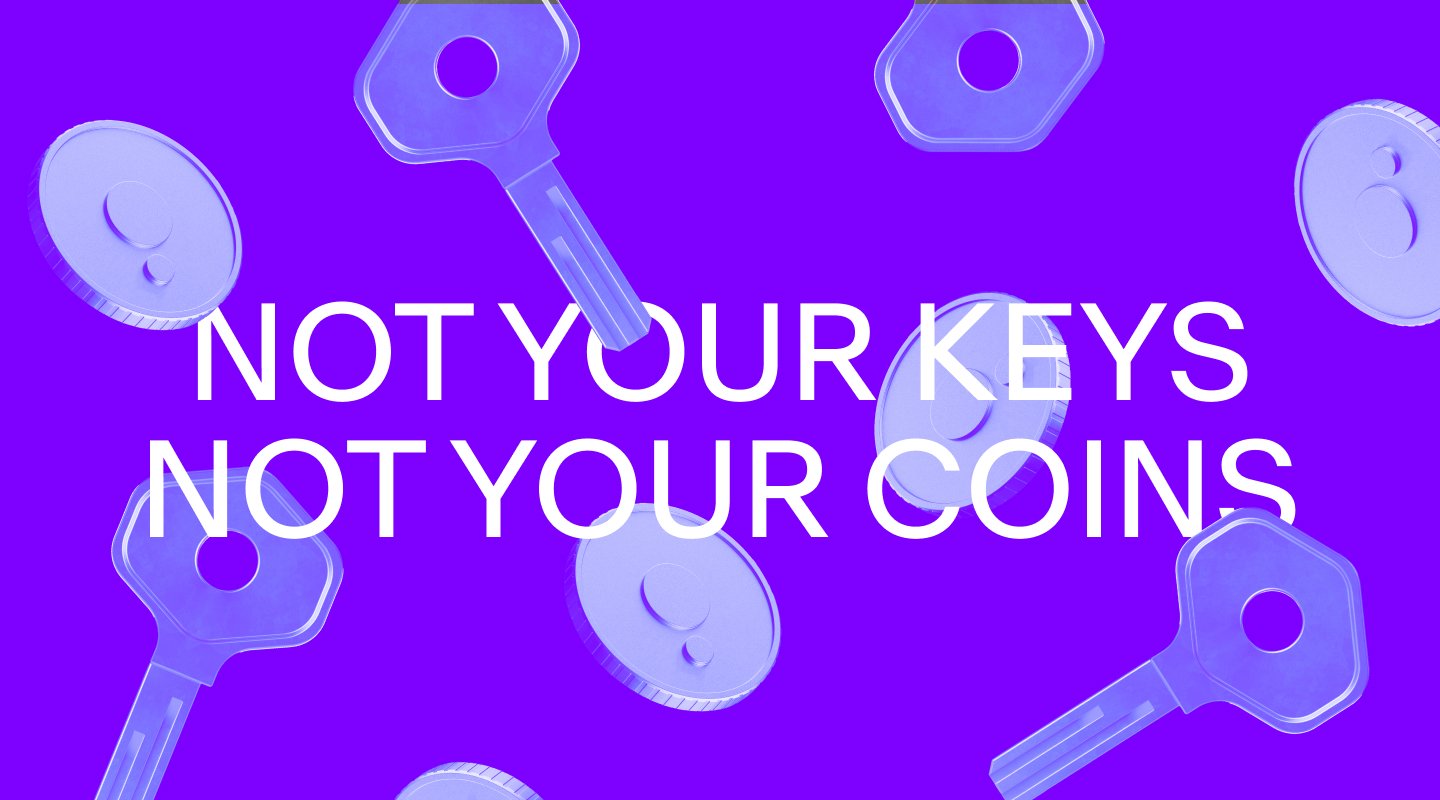
There's a popular web 3 maxim: "not your keys, not your coins". If a third party controls the private keys to your wallet, then your funds are never truly in your control.
You can think of your non-custodial wallet as your own private digital safe. You own the private keys, and no one else can withdraw or send funds from your wallet without access to these keys. If you decide to send funds to another wallet, you have the authority to do so instantly, and whenever you decide to.
Non-custodial wallet benefits
Total control over your crypto, with no risk of third parties losing your funds
If you forget your keys or wallet information, you may be locked out of your own account and lose access to your crypto
User interface is generally less beginner-friendly
Greater security responsibility is placed on you
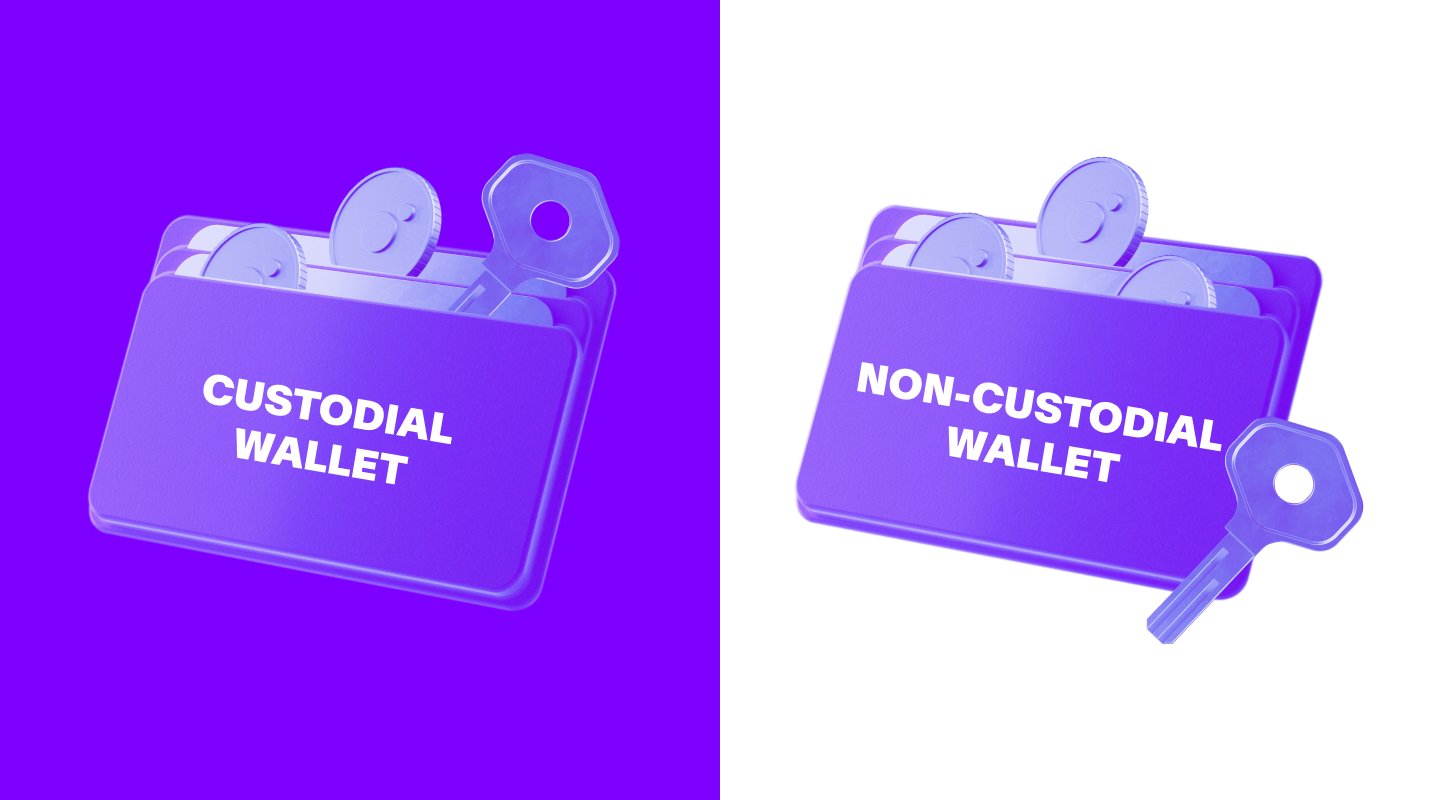
Custodial wallets allow third parties to manage your private keys. Non-custodial wallets give you full control over private keys and digital assets
Deciding which crypto wallet is right for you
To understand whether a custodial or non-custodial wallet is the right fit, you need to evaluate what kind of crypto investor you are.
If you prefer to have complete access over your own funds, or if you send and receive crypto quite frequently, then you may be inclined to choose a non-custodial wallet, such as Ledger, Trust Wallet, Exodus.
If you’re new to crypto and prefer that a third party manages your funds, you may lean more towards a custodial wallet.
You can also kick off your crypto journey by topping up your wallet in euros, pounds, or dollars and use your MoonPay Balance for buying Bitcoin (BTC), Ethereum (ETH), and other tokens. Use your balance to enjoy lower transaction fees, quicker processing times, and better approval rates. Plus, withdraw to your bank account with zero fees when you're ready to cash out.