
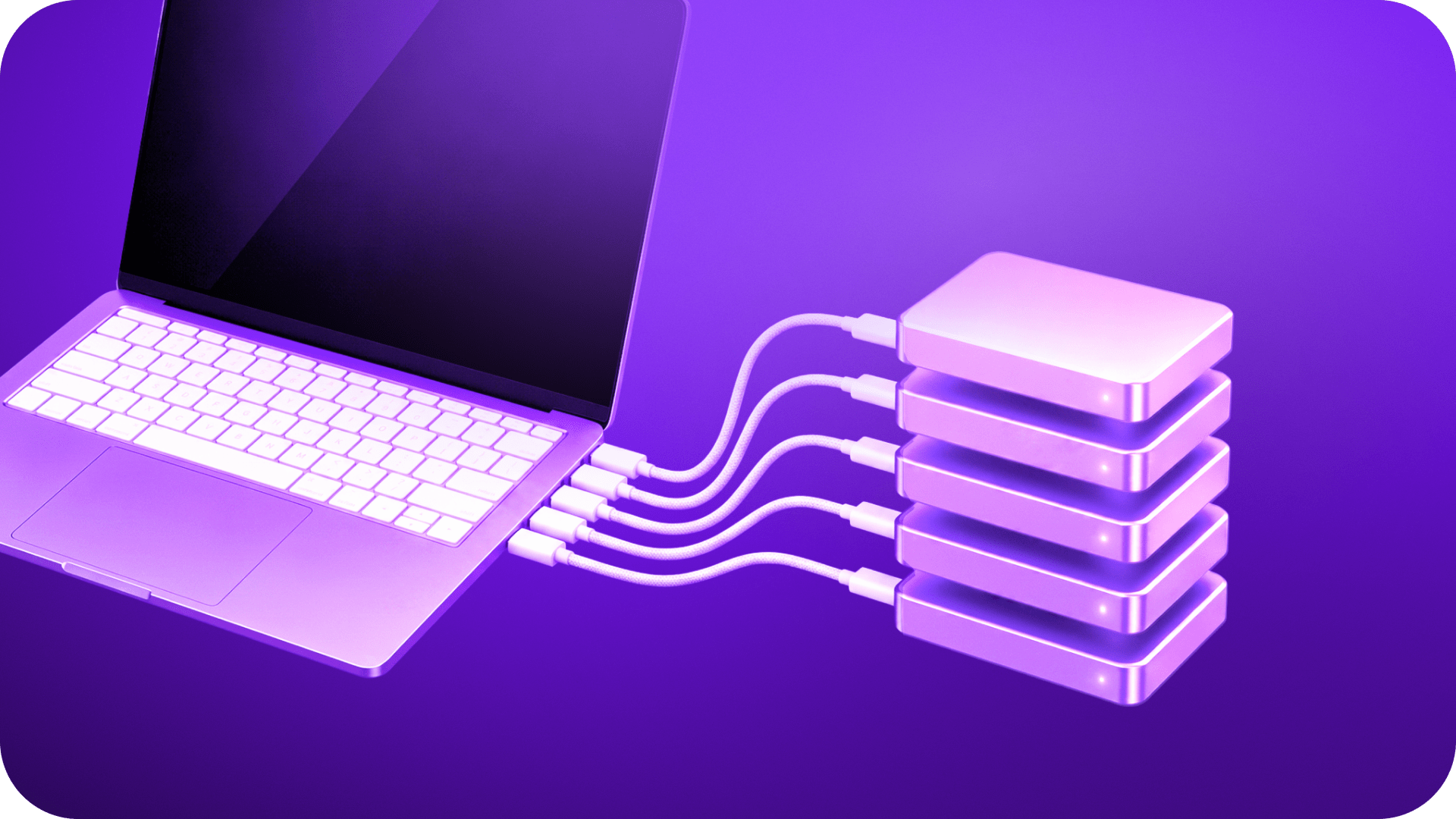
Layer 2 (L2) networks are systems built on top of existing blockchains to make transactions faster and cheaper.
They help scale blockchains without changing the underlying network.
Why Layer 2s matter
As blockchain usage grows, networks like Ethereum can become congested. This leads to slower transactions and higher fees.
Existing blockchains (Layer 1s) have limited capacity, meaning they can only handle a certain number of transactions at a time.
Layer 2 networks help solve this by processing transactions off the main blockchain and then sending the results back in batches. This reduces costs and increases speed, while still relying on the main network for security.
Layer 2s make blockchain technology more practical for everyday use cases, such as payments, gaming, and decentralized finance.
Common types of Layer 2s
The most widely used Layer 2 approach today. Rollups execute transactions off-chain and bring compressed versions of these transactions back to the main blockchain. It's similar to compressing a large number of files into one zip file before sending an email, instead of sending numerous emails that take up space and time to process.
State channels
State channels allow participants to conduct multiple transactions off-chain, recording only the final result on the main network. The Lightning Network for Bitcoin is a well-known example.
Sidechains
Like Polygon PoS, sidechains are independent blockchains that run alongside a main network and periodically connect back to it.
Interoperability
Interoperability refers to the ability of different blockchain networks to connect and share information.
Today, activity is spread across many Layer 2 networks. Moving assets between them can take extra steps and may require going back through the main blockchain.
To improve this, developers are building tools that allow networks to communicate more directly. These systems aim to make it easier for users to move assets and interact across different Layer 2s without added complexity. Tools like Cross-Chain Interoperability Protocol (CCIP) and LayerZero are building the infrastructure to make cross-chain movement easier.
The future
Several Layer 2 networks now secure billions of dollars in user funds, making them some of the largest platforms in crypto. Adoption will continue to accelerate as developers build more user-friendly bridging solutions and cross-chain infrastructure.