

Major banks are beginning to put traditional deposits on blockchain infrastructure, creating tokenized deposits. The concept is straightforward: instead of a number sitting in a ledger, your deposit becomes a programmable digital token, still backed by the bank, still covered by deposit insurance, but capable of moving in real time, around the clock.
What is a tokenized deposit?
A tokenized deposit is a digital representation of money held at a regulated bank. It is issued on a blockchain at a 1:1 ratio with the underlying fiat currency. It is not a stablecoin and not a cryptocurrency. The deposit itself does not change, only the infrastructure it runs on.
Tokenized deposits can:
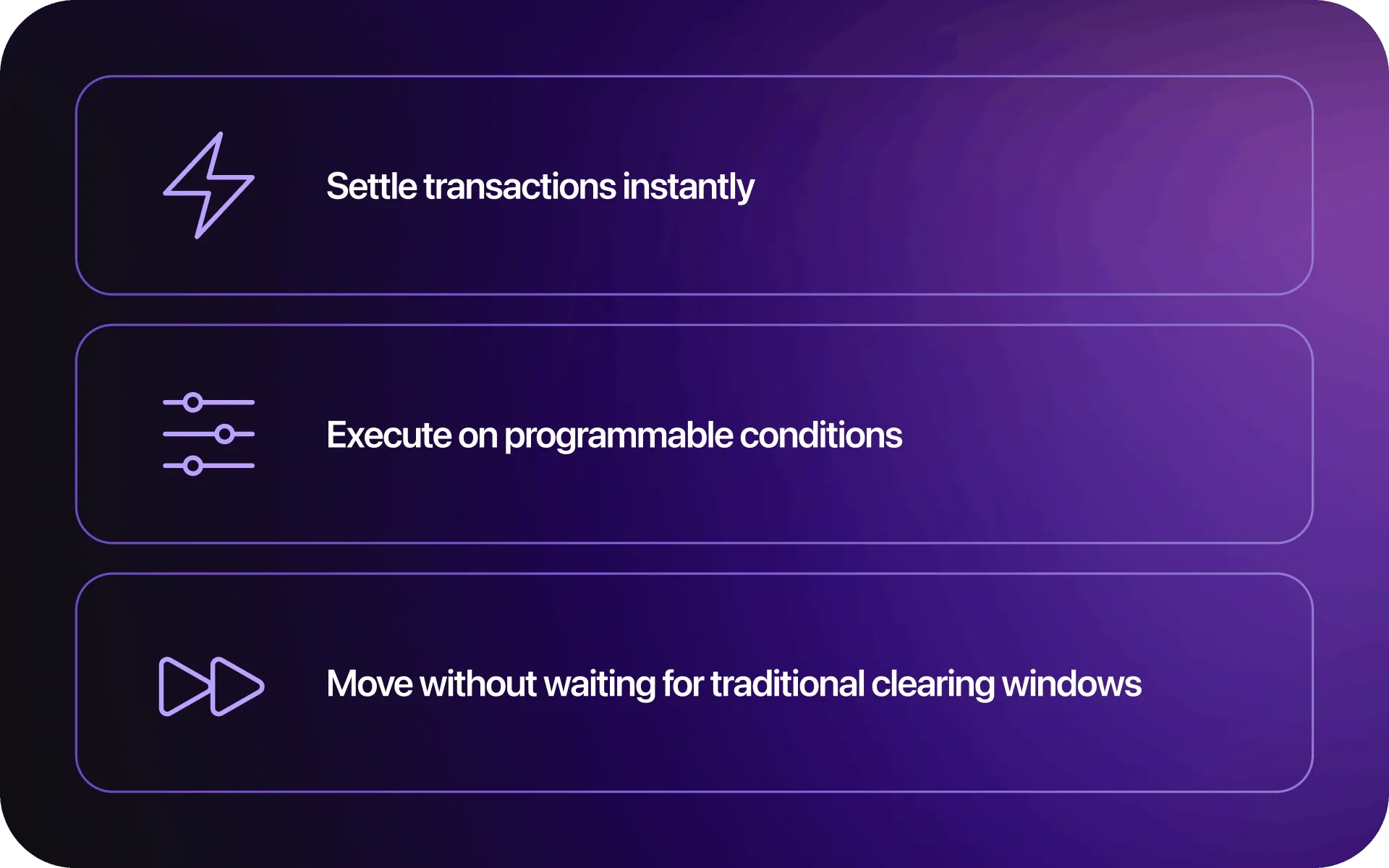
How tokenized deposits differ from stablecoins
Both are digital representations of dollars, but the structural differences matter:
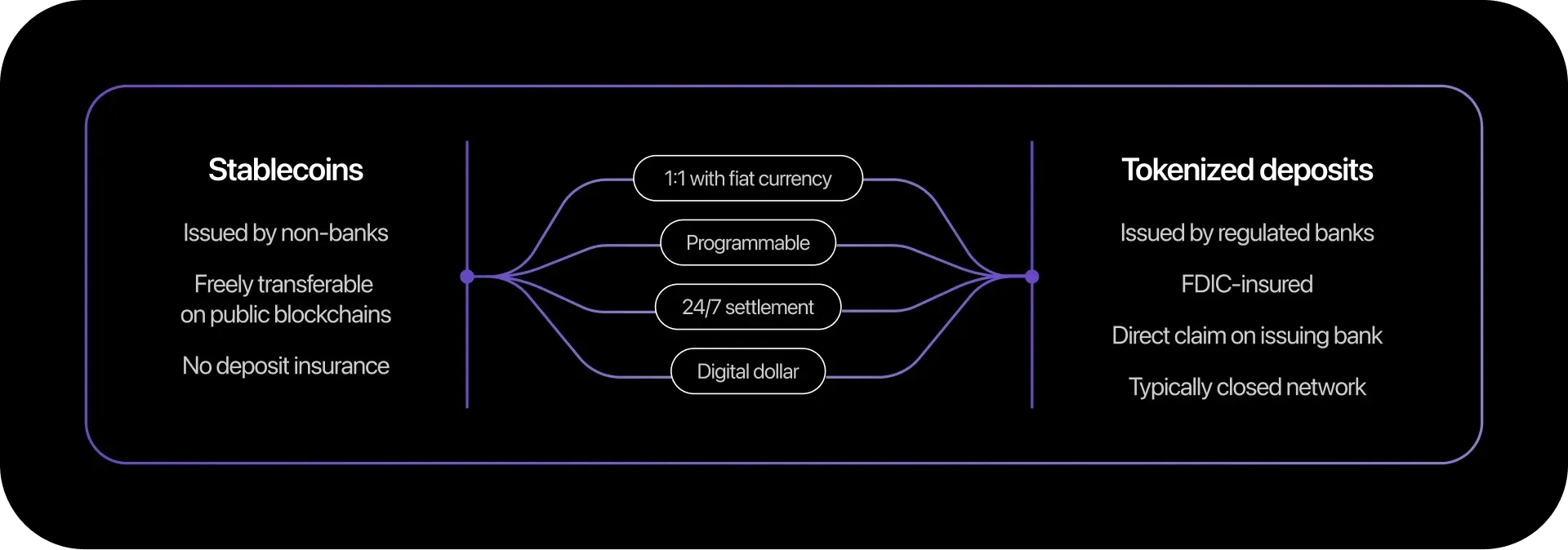
The trade-off is scope. Stablecoins can move freely across public blockchains and between any counterparties, while most tokenized deposit solutions, for now, work within a single bank or a closed network of partner banks.
What banks are building
Several of the world's largest financial institutions already offer tokenized deposit products, including JPMorgan, HSBC, BNP Paribas, and Citi, though most are aimed at large corporate clients rather than individual consumers. The more recent development involves U.S. regional banks entering the space together.
In February 2026, five banks announced they were building a shared tokenized deposit network called the Cari Network, built on ZKsync, a layer-2 blockchain platform. A shared network is one solution to the interoperability limitations tokenized deposits face compared to stablecoins. Cari Network would allow for deposits to move between the participating banks instantly, on the same rails, without the friction of traditional interbank settlement.
The bigger picture
For consumers and businesses, the emergence of tokenized deposits means that the speed and programmability that crypto has long promised may soon arrive through the banks they already use. For the crypto industry, it signals that blockchain is becoming infrastructure for the mainstream financial system, not an alternative to it.