







Patrick Witt: Quarterbacking America’s Bitcoin Strategy
You’ve probably heard the U.S. government is getting more serious about Bitcoin. But who’s leading that charge? One key player is Patrick Witt.

By Emily Moloney
Published on Aug 29, 2025
Last modified on Feb 26, 2026

You’ve probably heard the U.S. government is getting more serious about Bitcoin. But who’s leading that charge? One key player is Patrick Witt.
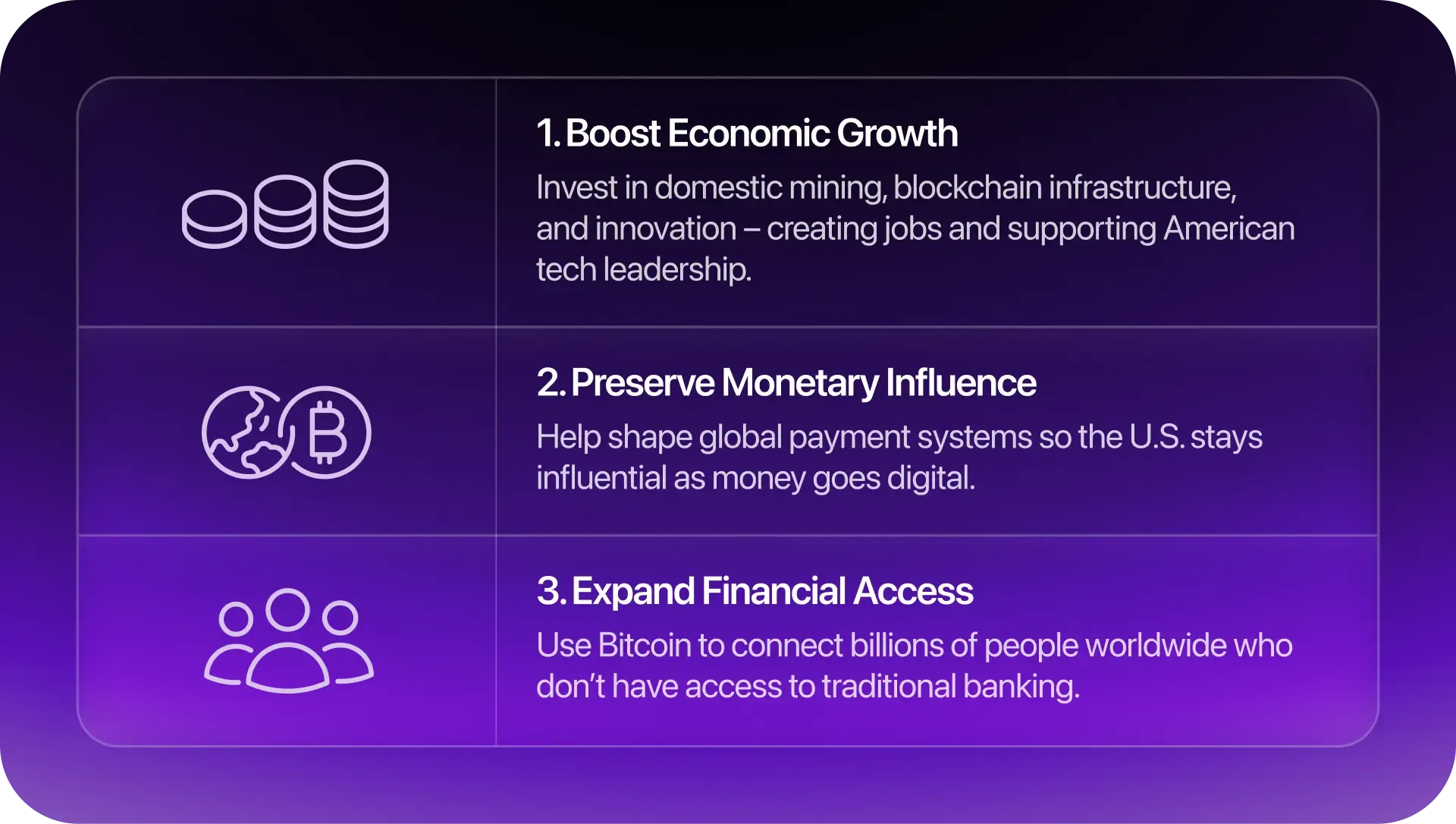
Witt isn’t your typical policymaker. He’s a former Yale quarterback, Rhodes Scholarship finalist, Harvard Law grad, and now the Executive Director of the White House Crypto Council. His job? Help shape how the U.S. approaches Bitcoin, not just as an investment, but as a strategic national asset.
Think of him as the quarterback of America’s crypto game plan, calling plays to keep the country competitive in the digital economy.
What’s the Strategic Bitcoin Reserve?
To understand Witt’s work, it helps to know about the Strategic Bitcoin Reserve (SBR).
The idea is simple: just like countries hold gold as part of their financial reserves, the U.S. could hold Bitcoin. This reserve could strengthen the economy, protect against inflation, and ensure the country plays a leading role in the future of global finance.
Building that reserve means figuring out how much to buy, how to store it securely, and how to integrate it into broader economic policy, all while making sure the U.S. stays ahead in blockchain innovation.